The new World Championship format creates unpredictability, but AEW needs rules the audience can follow and a clear champion-centered story.
A headline match built around a new idea
AEW WrestleDream 2026 is scheduled for October 17 in Orlando, and the AEW World Championship main event is no ordinary singles match. Will Ospreay is advertised to defend in Clockwork Carnage, a new eight-person structure with staggered entries and a scoring phase after the field has arrived. Samoa Joe and Mike Bailey were among the names listed as the card took shape, with other slots still to be determined at the time of this analysis.
The concept gives the company an obvious hook in a crowded wrestling calendar. Even fans who know the title scene may want to see how the format actually works. But novelty has a short shelf life if the audience cannot quickly understand what winning requires. AEW's central task is to make a complicated format feel urgent rather than administrative.
Clear stakes are more important than constant action
Advertised rules explain that eliminations can take place during the staged entry period. Once the full field enters, remaining wrestlers compete in a timed scoring portion in which falls matter. That combination could produce a dramatic late shift in the standings, but it also asks viewers to follow two distinct phases. Commentary, on-screen scoring and clear cues will be essential to the match's presentation.
A wrestling stipulation should create dramatic decisions. A wrestler who is ahead might wrestle more cautiously; a challenger who is behind might take increasing risks. Those are easy stories for fans to understand if the screen communicates the situation. If the rules take longer to explain than the characters' motivations, however, the match risks losing the emotional thread that makes a title defense worth watching.
Ospreay must remain the focal point
A stacked field can make a champion look impressive simply by surviving, but a multi-person match can also dilute the defending champion's story. Ospreay's presence needs to mean more than being one recognizable name in an eight-person highlight reel. He should be the wrestler everyone has a reason to pursue, with a strategy that reflects the burden of holding the championship.
The advantage of a scoring format is that an opponent might win without an ordinary one-on-one pin of the champion. That creates room for future arguments and follow-up programs, depending on how the final rules are implemented. It also means the eventual finish must feel earned. The audience should leave knowing why the winner won, not needing a post-show explanation of the mathematics.
WrestleDream has multiple stories beyond the gimmick
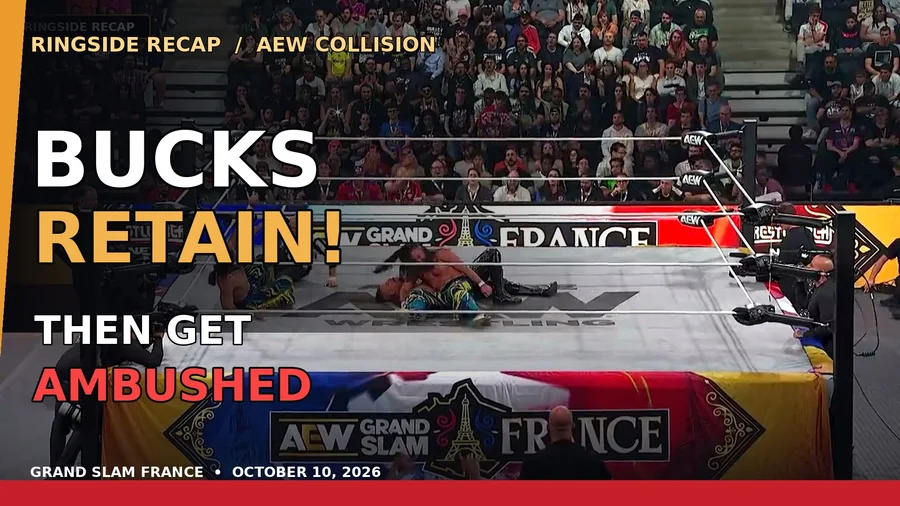
F4WOnline's published match guide lists a broader card with Jon Moxley's Continental Championship defense against Mark Davis and title programs involving the Young Bucks, Mercedes Mone and the women's tag division. That depth helps the pay-per-view. A new main-event gimmick should headline a complete show, not shoulder the burden of making every other match seem important.
Our expectation is simple: Clockwork Carnage can succeed if AEW prioritizes clarity, recognizable rivalries and a finish that leaves viewers talking about the wrestlers instead of debating the rulebook. The stipulation will get attention. The storytelling is what could make it worth repeating.
FACT CHECK / SOURCE REPORTING
WATCH THE RINGSIDE VIDEO
More AEW coverage: Ringside recap from September 23, 2026
WATCH ON YOUTUBE ↗